
Where do I start?
Hi friends,
I wanted to write my first blog post about a topic that is the heart of this website: where do you start when building your own home?
If you’re here, I’m guessing you’re finally ready to take the next step in your journey to build a new home!
Like most people, you probably don’t quite know where to start, right? My guess is you have been saving Instagram posts and Pinterest mood boards full of inspiration. You can imagine what living in these spaces is really like! Maybe you’re even using AI to “re-design” your living room. But you just don’t know where to start or how it’s going to go.
The good news? You’re not alone! Tens of thousands of people make this same decision every year and feel equally lost. You’re not attempting something new or rare, but you do need a roadmap. Consider this your roadmap.
Before we go any further, I want to be honest about the road ahead. This journey is really hard and takes longer than expected. That’s why hundreds of developers and home builders let you pick a pre-made plan to get a home in eight months. Building a custom home is stressful. However, you’ll come out the other side with a home worth much more than the financial investment! You’ll have your home.
This is not meant to discourage you. Rather, it's to encourage you to approach this process more prepared than ever before! Preparation minimizes surprises that could impact your feelings about your home.
We will cover how to start your journey. We'll explore the practical and psychological questions you must ask yourself. We will also discuss assembling your team and answer the ultimate question: how long will this take?
My hope is that by the end of this guide, you’ll feel empowered by your gut decision to build! As always, I am here to answer any questions and guide you along the way! Head over to our contact page and reach out!

The Custom Home Process Has No Official Starting Line
Here is the first thing that will either relieve you or annoy you: there is no single, correct starting place.
Phew! Wait, what does that mean for me?
The truth is, some people find a piece of land and start there. They might be driving through a new area one day, and a lot speaks to them. Others start with a design they have thought about for years or buy floor plans online. Some start with the financial conversation, visiting the bank to ensure they can afford it before getting too far!
All three of these entry points work together to kickstart a successful project. The starting order matters less than understanding how the steps connect. This ensures you don't overthink or underthink any part of the process.
My wife and I dreamed of designing our own home and even tried to build our first home. She’s an Interior Designer, and I am an Architect. We drew out the design for months and even found a potentially cheap lot to build on! We optimized the plans to minimize construction waste while remaining spacious. It felt like it was beginning to come to life!
However, it all fell apart once we talked to our Construction Loan Officer. Turns out, saving for a wedding AND trying to finance a construction loan are very hard to do simultaneously! We learned during the construction of the home, you need to pay for the interest on the construction loan while it is getting build. Financing the land is also trickier as you need a higher amount down and for much shorter terms than the terms of the house (all things which differ person to person!). The lesson isn’t that you must talk to the bank before designing. Rather, you need to think clearly about both before spending too much time on either!
The Real Questions You Must Answer Before You Spend Anything
Let's pause before discussing land, contractors, or exciting design elements. We first need to lay the organizational and mental groundwork. This prep separates a successful custom home from an expensive, stressful ordeal. These are the practical, sometimes uncomfortable questions that will help you navigate this journey.
I’m sure you won’t see this in any "Process" section on an architect’s or contractor’s website. But skipping this step leaves people deep in a project wondering how it will ever get finished. It breeds resentment toward their initial decision.
Where do I want to live? Like, really live? I don’t mean this in a general sense (e.g., somewhere with good schools). Where exactly do you actually want to live? Is there a specific neighborhood or city? Do you even want to see your neighbors?
Every location carries unique circumstances. They have different land costs, utility availability, zoning regulations, and construction timelines. A beautiful rural plot with insane sunsets might lack access to basic utilities, like water. This will require additional work to set up. A picturesque neighborhood with a strong community feel might have a strict HOA. This can restrict what and where you can build. Each place has its own rules you must know before buying the land.
How long do I want to live in this house? This question touches every aspect, from the home's size to the way you finance it. A “forever home” is designed and financed completely differently than an investment property or vacation home. None are wrong, but each requires a different strategy.
Where am I going to find land? Spoiler: it's often harder to find the perfect plot of land than it is to find a house. There are far fewer land listings than homes, and they carry far more variables. Finding land takes time, and closing can take another three to six months. Start investigating earlier than you think! You may need to check County GIS data maps to filter vacant parcels and find off-market properties.
How will my home get designed and built? Hiring an architect generally costs 8-15% of the total construction cost. It is an expensive investment, but it saves you time and long-term money over handling this phase yourself. Alternatively, you can buy plans from a website (like ours!) to save on upfront design fees. However, this requires you to handle more decision-making as you head into construction.
If you buy plans online, you will also need to hire someone locally to check the drawings against local requirements. This costs less upfront than hiring an architect, but it drops the effort right in your lap.
Hiring the right general contractor makes the project run smoothly; hiring the wrong one makes it a burden. The best builder makes it easy with consistent communication and planning. This often comes at a premium upfront price, but their planning saves you from unexpected future costs. The cheapest option may look enticing on paper, but it frequently hides unexpected downstream expenses. Each route has pros and cons, but you must ask these questions now.
How much do I actually have to spend, and how much more am I emotionally willing to spend? Notice how this is worded? You may be pre-approved by the bank and know your cash reserves. But you need to take an honest look at what you feel comfortable spending without losing your financial security.
Then, you need to ask the uncomfortable question: what happens if the project goes over budget? How will I pay for that, and how will I react? Realistically, some unforeseen event will test your mental and financial resilience. A great architect and contractor will prepare for uncertainties through diligent planning. However, knowing your personal comfort level is vital!
Do I have the time to realistically commit to this? Building a custom home demands active participation. You might hire the city's best architect and contractor. However, you must still review drawings, make decisions, attend meetings, and solve problems. If you’re currently in a demanding stage of life, factor that time in honestly.
Am I going to survive this process? I bet you weren’t expecting this question, huh? I won’t sugarcoat it: building a home can strain your relationship. Conversations will surface disagreements about money, priorities, and risk tolerances you might not have ever discussed before! This is absolutely not a reason to avoid building a home. It is a reason to enter the process with an open mind and a commitment to communication.

Let’s Talk About Your Team
If I haven’t scared you off yet, this section might be a startling reality. There are a LOT of people involved in building a custom home. You might even need more than what is listed here because every plot of land is different! Let’s talk about your team:
Financial Planner / Financial Team: If you have a financial planner, this should be your first call. They’ll help you understand what makes sense for your future. Eventually, you will work with a loan officer to secure a construction loan. They will help structure a plan to manage payments from your lender to the builder.
Real Estate Agent: At some point, you will need to purchase land (unless you already own it!). Not every realtor understands land assets, so find a specialist. Some plots have utility easements, “no-build” zones, or deed restrictions. Finding this out ahead of time ensures you pick the right property.
Architect / Design Team: Outside of the builder, you will interact with this team the most. They guide your home's design and act as your technical representative with the contractor. A great Architect works WITH you, not just for you, making the process seamless. Like a financial fiduciary, a great Architect will make decisions in your best interest that meet your goals. They might bring in consultants like structural engineers, civil engineers, surveyors, landscape architects, and interior designers. Each plays a crucial role in the design of your home.
Contractor / Builder: This team brings the plans to life. They coordinate subcontractors, interface with city inspectors, and make your house real! The right builder makes everything work smoothly and will discuss options / solutions with you and your Architect when hiccups come up.
Planning and Building Department: Some homes require local city approvals beyond a simple building permit. The Planning Department or Design Review Committee must often review a home to ensure it meets local standards. Your architect typically handles these interfaces, but you may need to attend meetings.
Inspectors: Inspectors from the city and your lender will ensure the project follows the plans.
Landscaper & Interior Design Team: They turn your construction site into a home. They help push the project across the finish line, making it yours inside and out.
Let me be clear: You will not manage all these people simultaneously. Your Architect will manage the design team and coordinate with the contractor until construction begins. Then, your contractor takes over daily operations. Your team works together throughout the entire process. Knowing everyone’s roles helps you understand their unique perspectives!
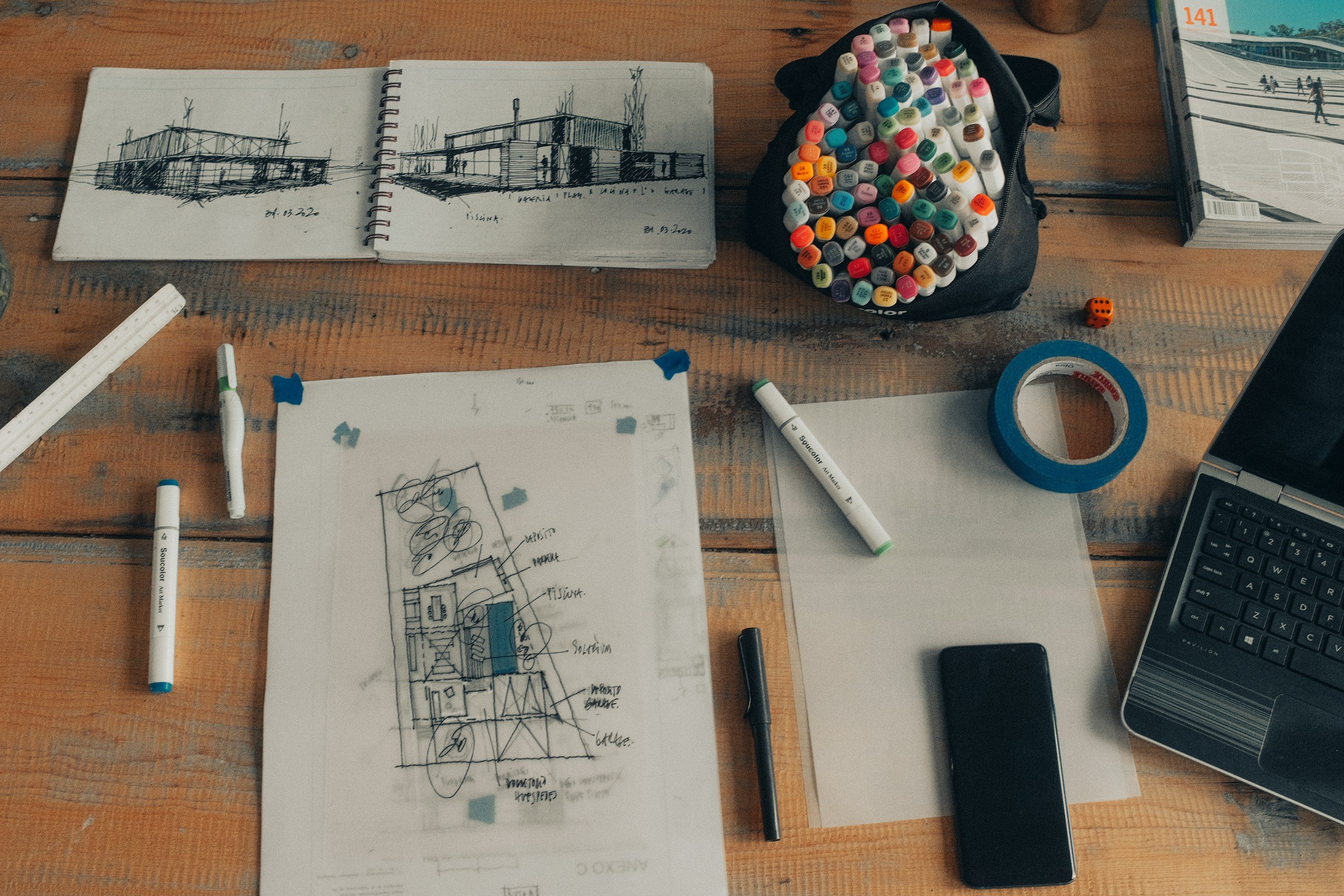
The Abridged Version of the Project Phases
I’m sure you are tired of reading and wondering when we get to the fun stuff! This is it. I am breaking down the general project phases into digestible chunks!
"Foundation"-al Phase: Remember those uncomfortable questions above? Start there. Meet with financial experts, consider your design approach, find land, and set clear goals. This foundation sets you up for success.
Design + Decision Phase: Often considered the “fun” phase, this is where you imagine the possibilities! You’ll interview architects, and figure out which members of your team will be needed for your specific design. You’ll work with your design team to figure out exactly what you need in your home. All your inspiration images and mood boards will become reality. Your team will guide you along the way, from the initial conceptual design through the technical details! It also brings hard decisions. You’ll need land surveys and soils reports to ensure the land is buildable. You might have to make design adjustments and compromises to meet your larger goals. You’ll also meet contractors to continually review pricing to make sure it aligns with your financial expectations.
Permitting Phase: With your design set and costs squared away, you submit the plans to the building department. You must also finalize your construction loan and obtain required insurance. Note: You will likely pay monthly interest on this loan. Plan out-of-pocket costs accordingly during this phase.
Construction Phase: It all comes to life! It starts with site prep and foundations, followed by exterior and interior framing. Don’t get discouraged if progress seems to stall during the “finish work” phase (installing cabinets, trim, tile, etc.); perfection takes time. Seeing your hard work realized is a deeply rewarding part of the journey!
Final Approvals and Move-In: As construction concludes, you finalize permits and convert your construction loan into permanent financing. And you FINALLY move in!
How Long Does This Actually Take?
The Real Answer.
Finally, we’re here! How long does it take to build a home??
Asking this question usually yields the same answer: it depends. Anyone giving you a confident, specific number without knowing your situation is guessing.
That said, here are experiential ranges:
Land Acquisition: If you don’t own land, finding and closing on a plot can take three to twelve months.
Design and Approvals: This takes a minimum four to six months if everything aligns perfectly, but can span years in complex jurisdictions or with major design revisions.
Construction: Expect eight to twelve months for smaller homes, and twelve to twenty four months for larger custom builds.
Landscaping: This can finish in a month or drag out to 6-8 months depending on the season.
It takes time. A rushed process always results in a house filled with regrets. Those extra months might be infuriating now, but they yield much better long-term results!
Your First Move Starts Now
You’ve made it!! We navigated hard questions, identified your team, outlined the phases, and ended with a timeline. The process is real, but the steps are manageable! Your team is out there!
That home you’ve been imagining is achievable. People just like you are building homes every year; will this be your year?
Your starting point can be today.
Thanks for reading, more to come…
Colin Fishbaugh | westwood design studio
Ready to start planning? Browse our collection of floor plan packages to find a home you can call your own.